
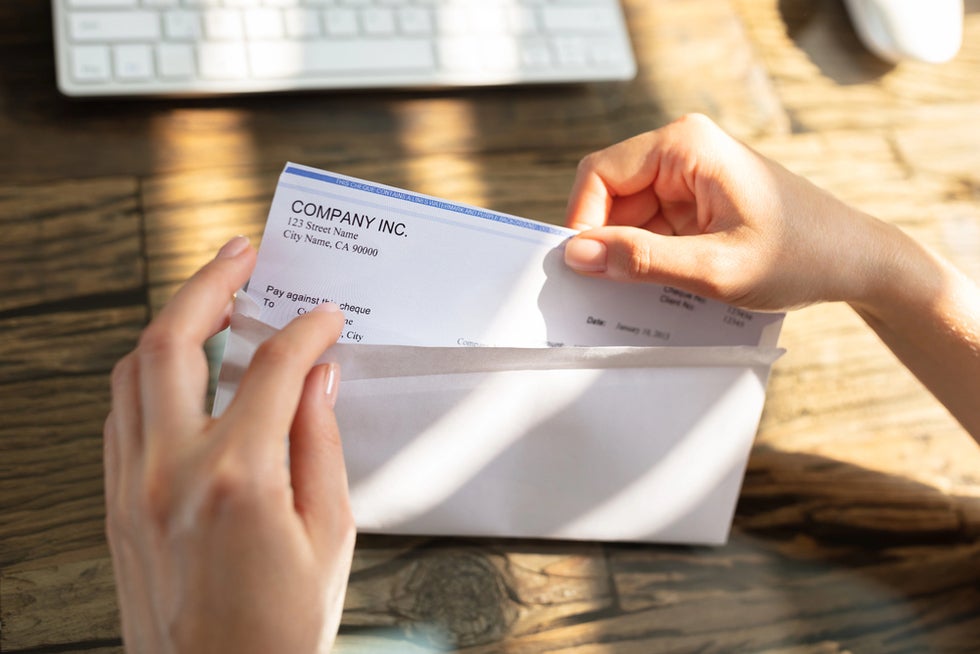
California has some of the strongest wage protections in the country. When a worker leaves a job, state law requires employers to pay all earned wages on a strict timeline. If they fail to pay on time, the consequences can be significant. One of the most powerful protections for workers is the waiting time penalty under Labor Code Section 203.
Many employees do not realize they are entitled to these penalties, or they misunderstand how California's final paycheck laws work. This guide breaks down the timelines, penalties, common violations and steps workers can take when their final wages are delayed.
Why California Enforces Strict Final Paycheck Rules
Late payment of wages harms workers in immediate and tangible ways. People rely on their paychecks to cover rent, groceries and essential expenses. If an employer delays a final paycheck, even by a day, it can cause serious financial stress.
California lawmakers recognized this problem and created detailed final paycheck laws to ensure workers get paid exactly when the employment relationship ends. These rules are mandatory, they apply to almost all employees in the state and they are not optional for employers.
The waiting time penalty exists to discourage employers from withholding final wages and to compensate employees for each day they remain unpaid.
When Final Paychecks Are Due in California
To understand the California final paycheck law waiting time penalty, you first need to know when a final paycheck must be provided. The exact deadline depends on whether you were fired or you resigned.
If You Are Fired or Laid Off
If an employer terminates your employment, all final wages are due immediately. That means payment must be handed to the employee at the moment of termination. Employers cannot wait until the next payday, and they cannot mail the check later unless the employee requests it.
If You Quit With at Least 72 Hours Notice
If an employee provides a minimum of 72 hours notice before quitting, the employer must provide the final paycheck on the employee's last day.
If You Quit Without Notice
If you resign without giving notice, the employer has 72 hours to pay all final wages. If the last day falls on a weekend or holiday, the payment deadline is extended to the next business day.
What Must Be Included in a Final Paycheck
Final wages must include:
- All hours worked through the final day
- Overtime
- Double time
- Accrued and unused vacation or paid time off
- Bonuses, commissions and other earned compensation
California treats accrued vacation as earned wages. Employers cannot take it away or refuse to pay it out.
What Is the California Final Paycheck Law Waiting Time Penalty
The waiting time penalty is a financial penalty imposed on employers who willfully fail to pay all final wages on time. Under Labor Code Section 203, an employer who does not meet the final paycheck deadline can owe the employee:
- One full day of wages
- For every day the final paycheck is late
- Up to a maximum of 30 days
This penalty continues to accrue until the employer pays the full amount owed or until the 30 day cap is reached.
How Waiting Time Penalties Are Calculated
The calculation is based on the employee's daily wage rate. This includes:
- Hourly rate multiplied by the number of hours in a normal workday
- For salaried employees, annual salary divided by 52, then divided by the number of workdays per week
For example: A worker making $25 per hour who normally works eight hour days earns $200 per day. If the employer fails to provide the final paycheck for 10 days, the waiting time penalty is $200 x 10 = $2,000.
The Violation Must Be “Willful”
For waiting time penalties to apply, the employer's failure must be “willful.” Under the law, willful does not mean malicious. It simply means the employer knew final wages were due and failed to pay them.
An employer cannot avoid penalties by claiming they were busy, short staffed or unfamiliar with the law. These excuses are not valid legal defenses.
Common Employer Violations That Trigger Waiting Time Penalties
Workers regularly encounter the same types of final paycheck issues. Some of the most common violations include:
Delaying the Final Check Until the Next Payday
This is one of the most frequent violations. Employers often tell employees that final wages will be included in the regular payroll cycle. In California, this is not allowed.
Mailing the Check Without the Employee's Permission
An employer can only mail a final paycheck if the employee asks for it. Otherwise, payment must be provided immediately in person.
Withholding Payment for Equipment or Property
Employers cannot delay final wages while waiting for uniforms, equipment or company property to be returned. They must pay on time and address property issues separately.
Failing to Pay Accrued Vacation or PTO
Some employers try to avoid paying out unused vacation by claiming internal policy or by reclassifying earned vacation as “sick leave.” California law prohibits this.
“Administrative Delays”
Internal processing issues, lack of accounting staff or payroll system problems do not excuse late payment. Employers are still liable for penalties.
When Waiting Time Penalties Do Not Apply
There are limited situations where penalties may not apply. These include:
- Genuine good faith dispute: If there is a legitimate, reasonable dispute about whether wages are owed, penalties may not be imposed.
- The worker is an independent contractor rather than an employee.
- The worker is in an industry with different final pay rules, such as certain entertainment agreements.
These exceptions are narrow and are interpreted strictly.
What Workers Can Do if Their Final Paycheck Is Late
California workers have several options if an employer fails to pay final wages on time.
Ask for the Payment in Writing
Sometimes a written request is all that is needed. If the employer still refuses to pay, this written communication becomes useful evidence.
File a Wage Claim With the California Labor Commissioner
Workers can file a wage complaint that includes unpaid final wages, accrued vacation and waiting time penalties. The Labor Commissioner investigates, conducts hearings and can issue awards for unpaid wages and penalties.
File a Civil Lawsuit
Workers can also sue in civil court for unpaid wages and waiting time penalties. In many cases, employees may recover attorney fees.
Keep Detailed Records
Employees should keep copies of pay stubs, time records, emails or texts about resignation or termination and any communication about final pay. These documents are critical when proving waiting time penalties.
Why Waiting Time Penalties Matter
The waiting time penalty serves two important functions. First, it compensates workers for the financial harm caused by late payment. Second, it incentivizes employers to comply with California's strict final pay rules. Without this penalty, some employers might routinely delay final paychecks without consequence.
Because the penalty can reach up to 30 days of pay, employers have a strong reason to follow the law.
Final Thoughts
California's final paycheck law waiting time penalty is one of the strongest protections for workers whose employment ends. Many employees do not realize they are entitled to immediate payment, nor do they know the law allows up to 30 days of additional wages if an employer fails to comply. Understanding these rules empowers workers, prevents wage theft and holds employers accountable under California law.
If your final paycheck was delayed or incomplete, it is important to know your rights. The law is clear, the deadlines are strict and workers have powerful remedies when employers fail to pay on time.

Comments
There are no comments for this post. Be the first and Add your Comment below.
Leave a Comment